Learnings from the 2025 Nonprofit Storytelling Conference
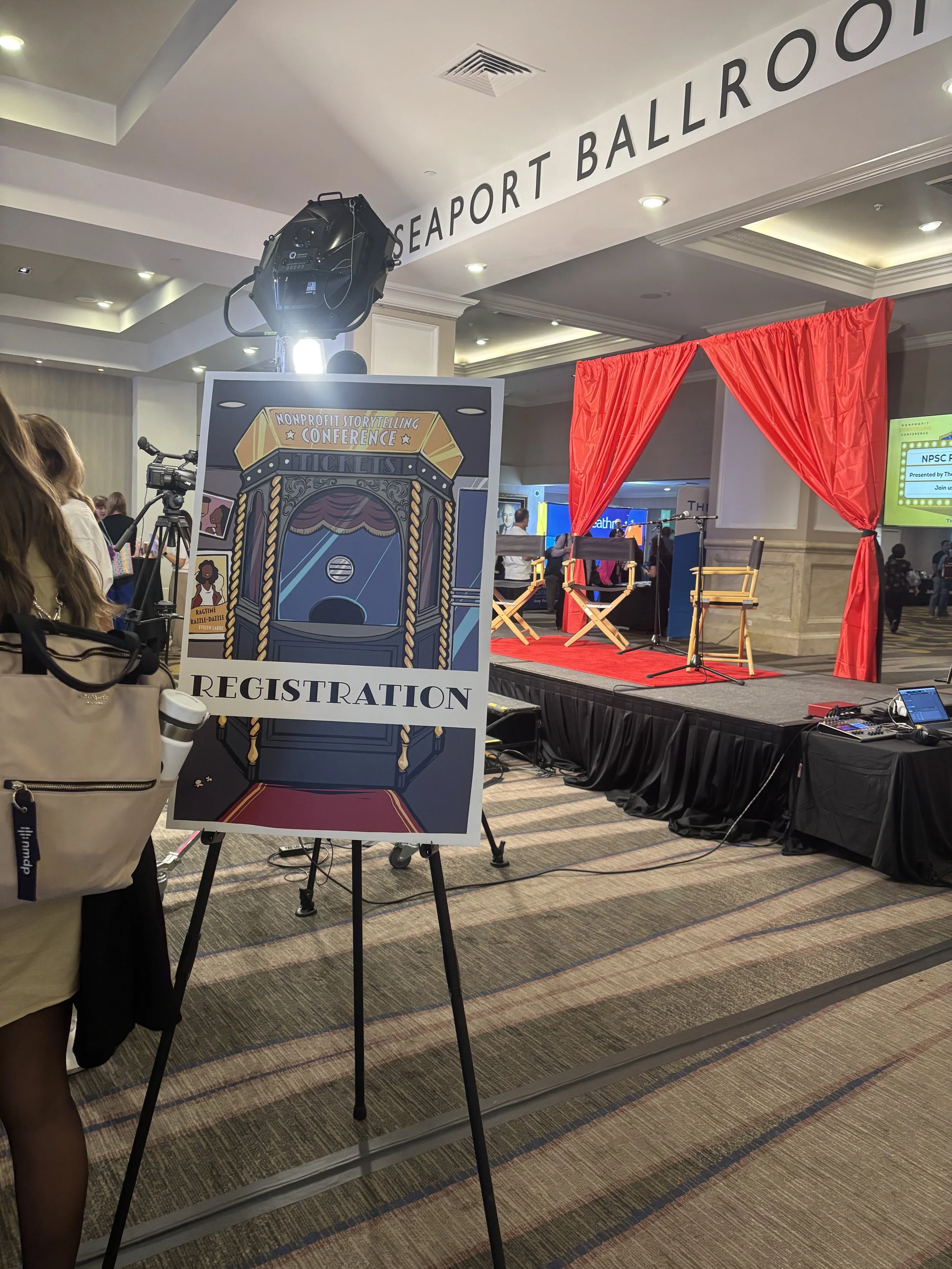
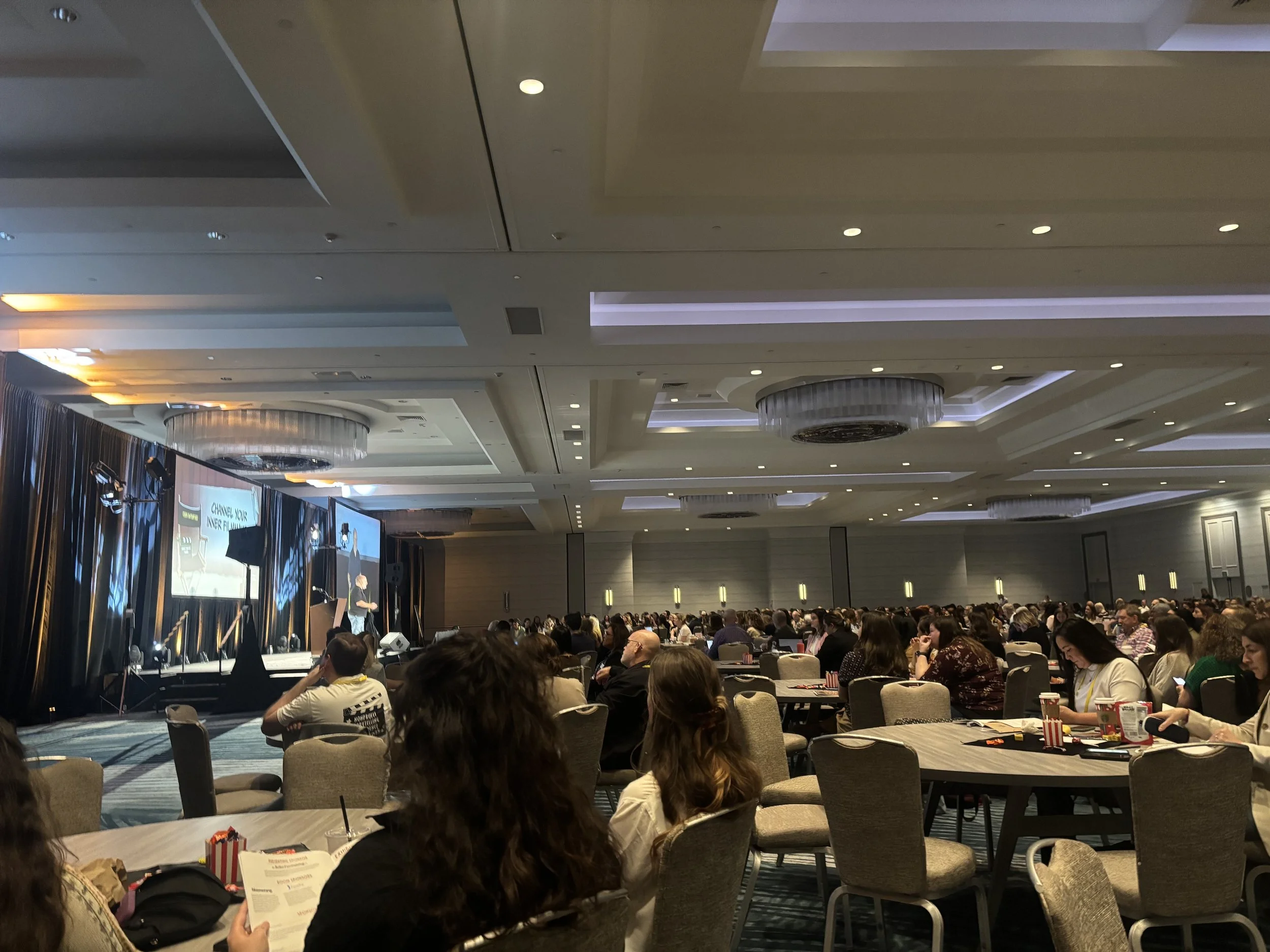
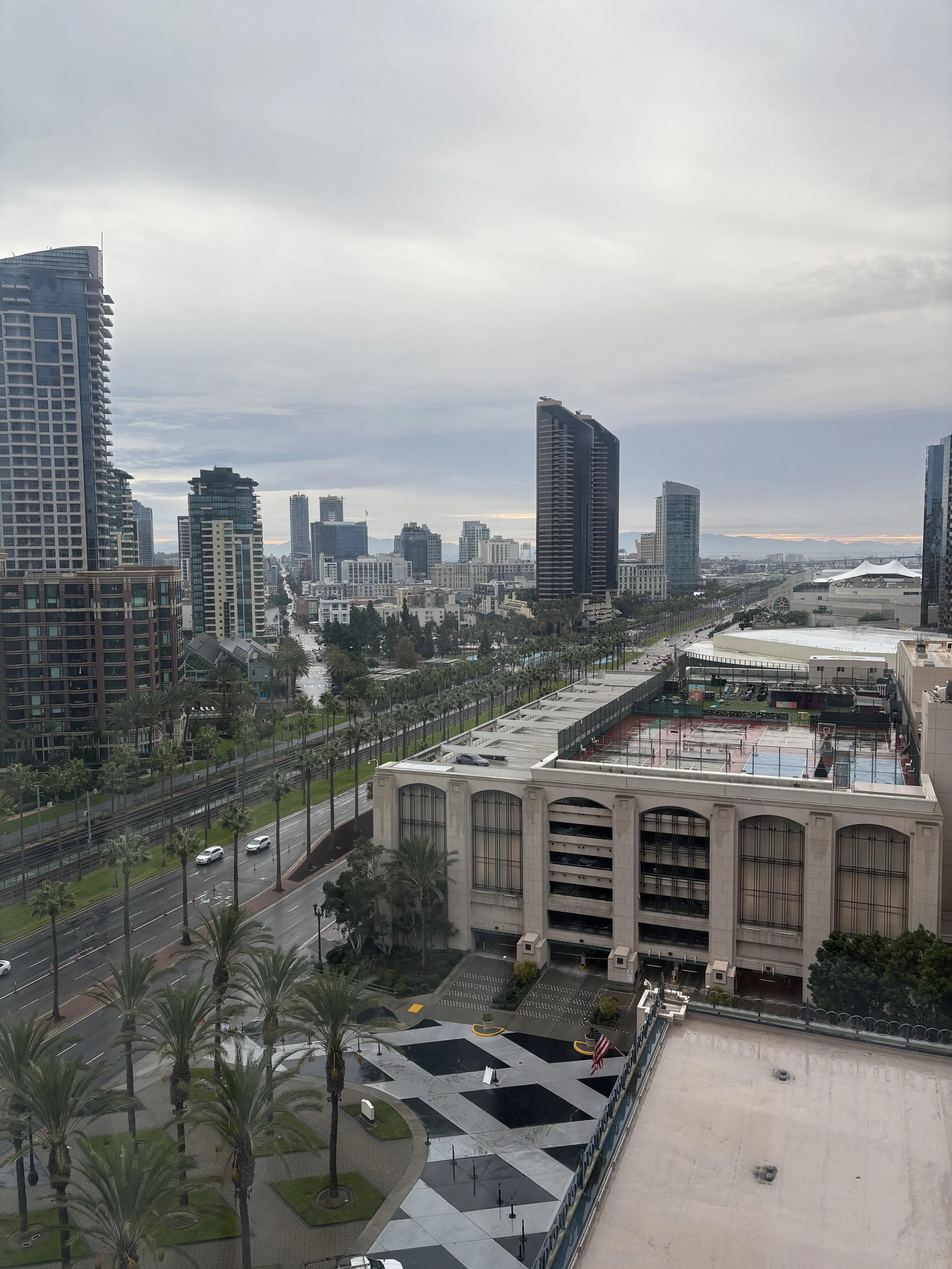
I had the opportunity to attend the 2025 Nonprofit Storytelling Conference in San Diego, CA on November 13-15. Throughout the conference, I listened to two keynotes, participated in 10 breakout sessions, and connected with many fellow fundraising professionals. The theme of the conference was “Hollywood” and centered around how telling the story of a nonprofit should do the same things a great movie does—make people feel something. I was reminded about many key points in successful storytelling, and it was great to be in a learning environment tailored to a fundraiser’s lens. My takeaways from the event include the following:
1) When fundraising for a cause, it is important to remove as many barriers of understanding for a potential donor as possible. Through narratives and storytelling, fundraisers have to make the mission accessible to all types of individuals and funders. Ways to break down the education barriers include creating a moment with emotion for the funders through site visits and appropriate interactions with the communities being served. Fundraisers should also display what the consequences of not giving are and what would happen if your nonprofit was not there to provide services.
2) Funders and donors are people. People will always remember how you made them feel. Therefore, the same brain science corporations hack can help nonprofits raise awareness and funds for their mission. Unusualness captures the human mind and sticks in our memories. For some nonprofits, it is appropriate to create a mascot that will help donors remember them (think the panda for World Wildlife Fund or Phil the food bag for the Waterloo Food Bank). Also, the language you use when communicating with funders can help your nonprofit stand out– instead of sending a quarterly report, call it a gratitude report.
3) Many nonprofits do not seek out the appropriate level of consent from their end beneficiaries when sharing their stories. Most nonprofits solicit permission-based forms from their clients and the clients do not have an active part in writing the story that is published. The ideal form of gaining consent to client stories is through partnership-based consent where the story owner is involved throughout the storytelling process. To truly be equitable in gaining consent, the nonprofit must address power dynamics, build trust, orient the story to not be deficit-based, and confirm that the story owner approves of the final copy of their story to be published.
4) Fundraisers and development professionals tend to be separated from the programming in the communities on-the-ground that they are fundraising for and writing about. This disconnect is not ideal, as fundraisers must have an arsenal of stories to paint a picture for donors on the impact of their gift. Therefore, it is imperative for fundraisers to have a relationship with the program staff to have a deep understanding of the deliverables accomplished and the people helped. Corporate engagement and pro bono programs are a valuable and increasingly popular way for development to bridge the gap between funders’ understanding of ongoing nonprofit programs.
5) When communicating with funders, it is crucial to create emotional safety and genuine trust. Funders need to be seen for their values and that they are co-creating a positive future with the nonprofit they support. Ask questions about them, like how your nonprofit’s mission connects to their life. As fundraisers, it is also important to have an organized strategy in sendout communications. Instead of segregating outreach by level of giving, try segmenting by philanthropic values.
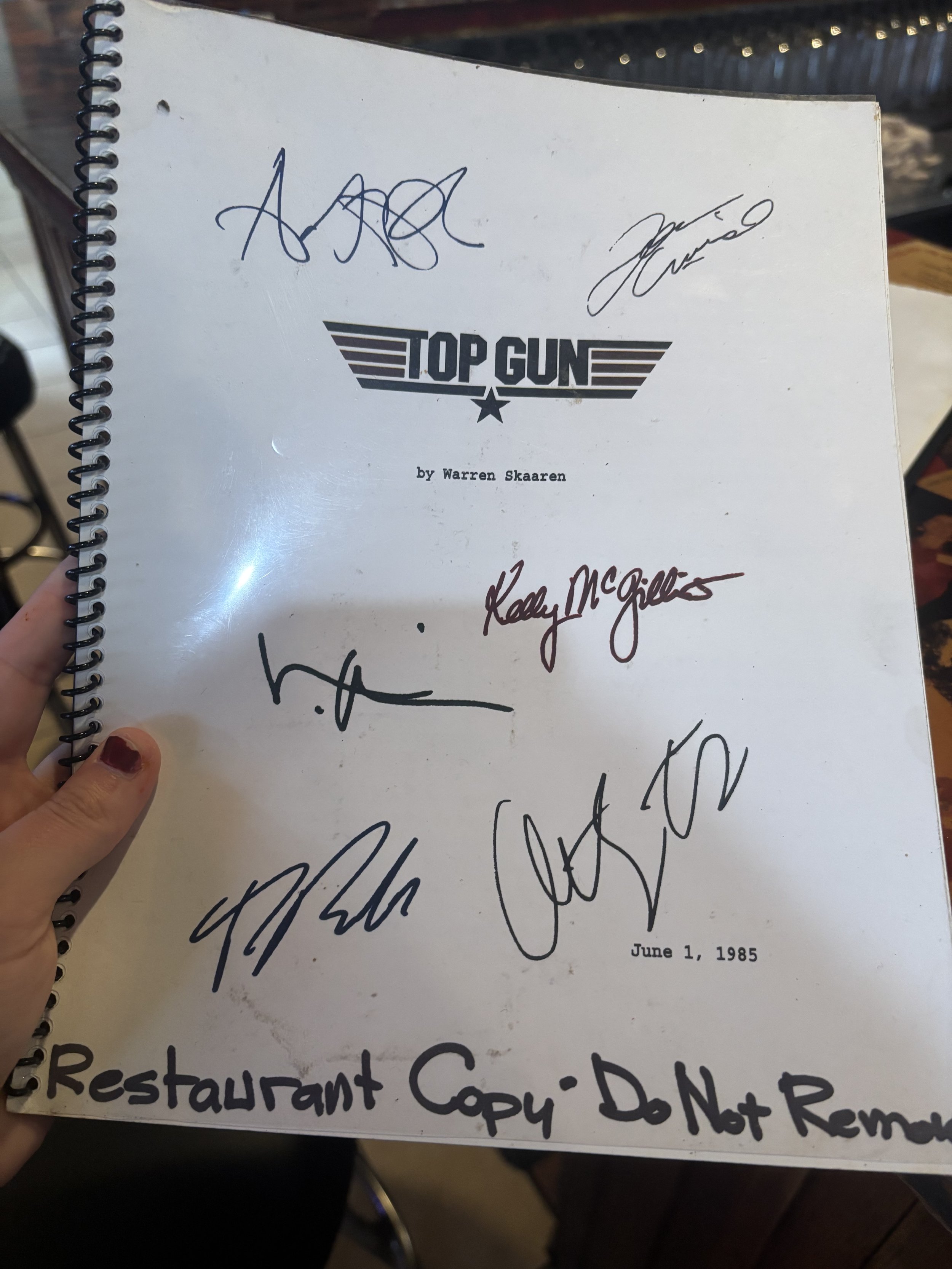
Over the three-day conference, I was excited to jump into reworking organizational language for my fundraising pitches. Overall, I would recommend the Nonprofit Storytelling Conference for fundraisers earlier in their career or if they are a part of a smaller organization that relies on individual donors. I did walk away from the conference with helpful tips to implement in my current work, and San Diego was beautiful! I even stopped by the nearby bar from Top Gun where Goose sang “Great Ball of Fire”!